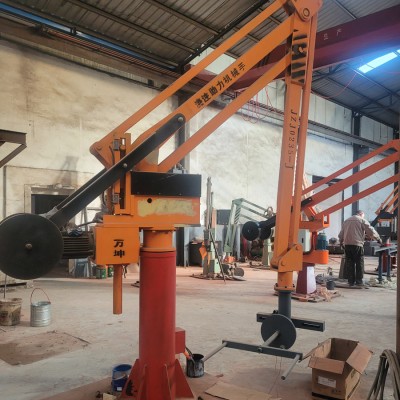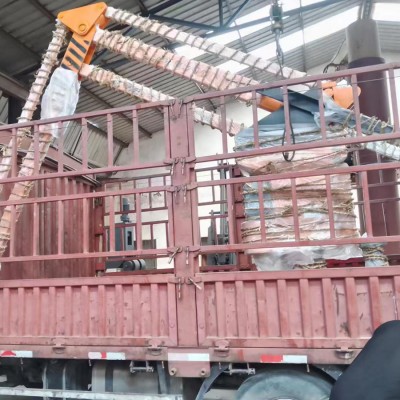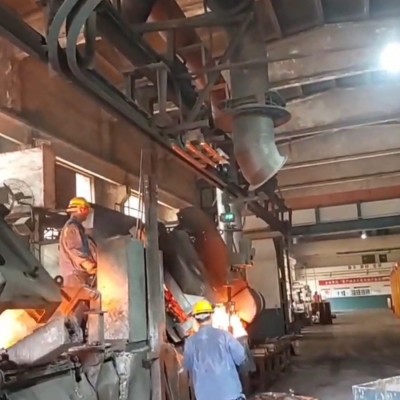
High Temp Casting Manipulator: Essential Equipment for Precision Foundries
Learn why the high temp casting manipulator is crucial for precision foundries. In the field of precision casting, where even the smallest deviation can lead to product scrapping and economic losses, the hfoundry manipulator has become an indispensable core equipment.
It not only solves the pain points of high-temperature operation safety and low efficiency in traditional manual casting but also provides a reliable guarantee for the stability and consistency of precision casting quality. For precision foundries pursuing high standards, understanding the value, application and selection method of high temp casting manipulator is the key to improving market competitiveness.
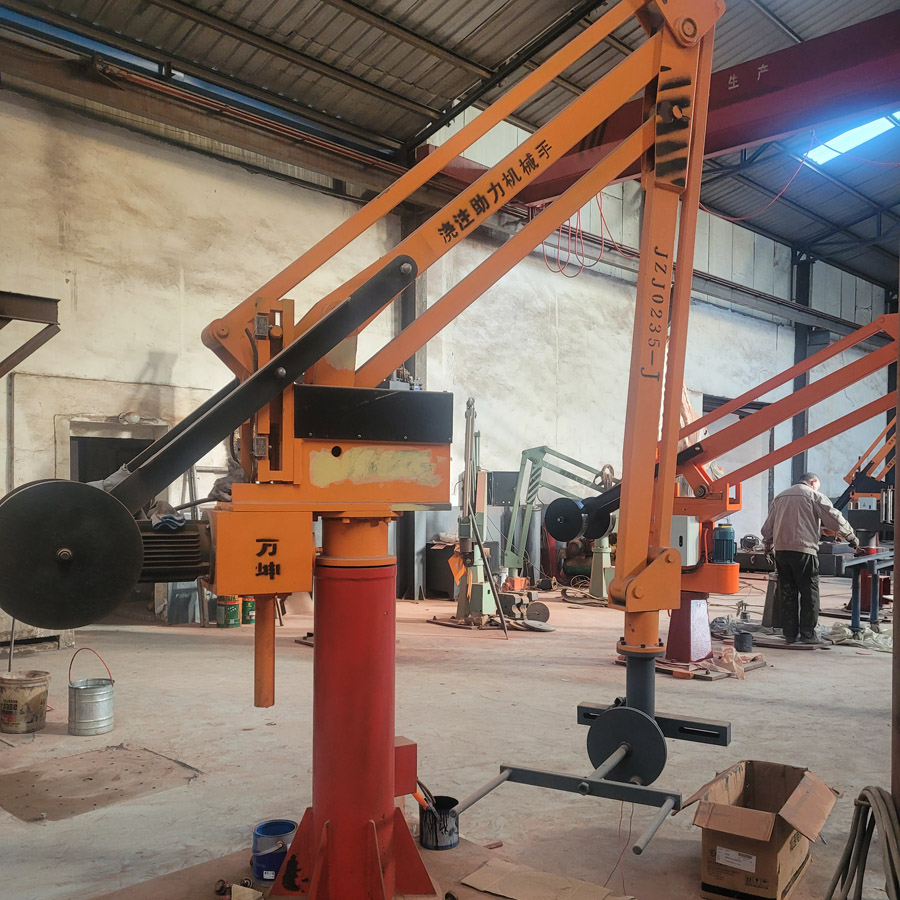
What Is a High Temp Casting Manipulator
Casting manipulator is a professional industrial equipment specially designed for precision foundries to handle high-temperature molten metal. Different from ordinary handling machinery, it is equipped with high-temperature resistant materials and precise control systems.
It can stably complete the grabbing, transferring, pouring and other operations of molten metal (such as molten iron, molten aluminum, molten steel) at high temperatures, and perfectly match the strict requirements of precision casting for operation accuracy and safety.
Molten metal pouring: It can accurately control the pouring speed and angle, ensure that the molten metal is evenly injected into the mold cavity, and avoid defects such as air holes and shrinkage caused by uneven pouring.
Whether it is investment casting, die casting or sand casting in precision casting, the high temp casting manipulator can play an important role and adapt to the different process needs of precision foundries.
Why Must Precision Foundries Use High Temp Casting Manipulator?
Manual pouring is easily affected by human factors such as operation proficiency and physical state, which often leads to deviations in pouring speed and angle. These deviations can cause defects such as uneven wall thickness, size deviation and internal pores of castings, which seriously affect the precision of products.
The Pouring Manipulator adopts a precise control system, which can maintain consistent operation accuracy for a long time, eliminate human errors, ensure that each casting meets the set precision requirements, and greatly reduce the product scrap rate.
The working environment of precision foundries is harsh, and the temperature of molten metal is often as high as hundreds or even thousands of degrees Celsius. Manual operation is prone to accidents such as scalding and splashing of molten metal, which poses a serious threat to the personal safety of operators.
The Pouring equipment operators can complete all operations outside the safe area, completely avoiding direct contact with high-temperature molten metal, and fundamentally eliminating potential safety hazards.
Manual casting operation is not only labor-intensive but also slow in speed, which is difficult to meet the needs of mass production of precision foundries. The high temp casting manipulator can realize continuous and stable operation, with fast operation speed and high efficiency.
For precision foundries, which pursue high quality and high efficiency, the high temp casting manipulator is an investment that can bring long-term returns.
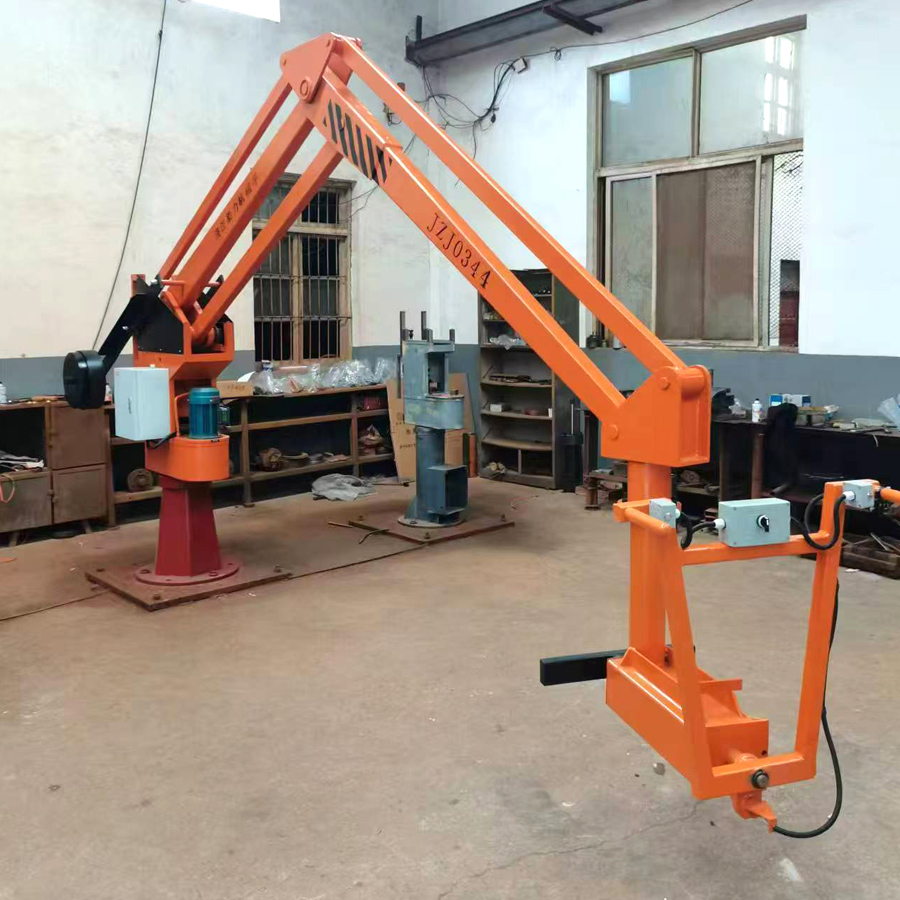
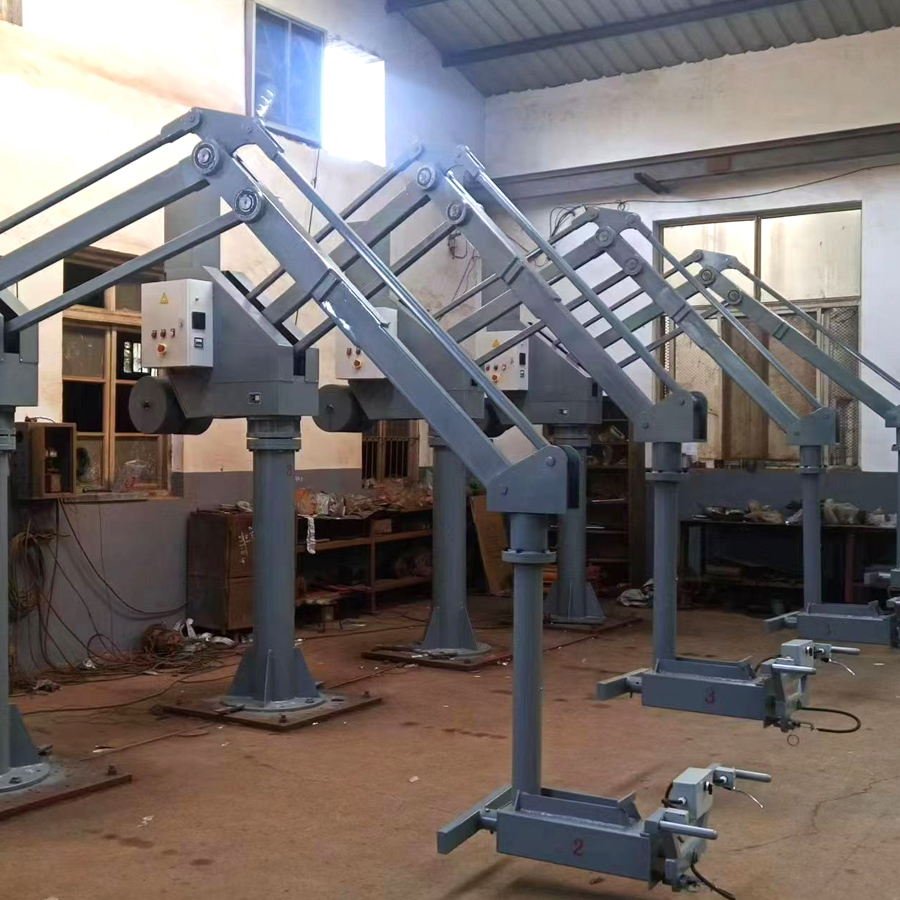
Selection Guide for Casting Manipulator
High-temperature resistance performance
This is the core indicator of the casting manipulator, which directly determines whether it can adapt to the working environment of precision foundries. It is necessary to select equipment made of high-temperature resistant materials, and its maximum temperature resistance should be higher than the highest temperature of molten metal in the factory.
Stability and durability
The production line of precision foundries often operates continuously for a long time, so the high temp casting manipulator must have strong stability and durability. At the same time, attention should be paid to the protection level of the equipment to adapt to the dusty and high-temperature environment of the foundry.
Customization performance
Different precision foundries have different casting processes, casting sizes and production needs.
For example, the load capacity, arm length and operation mode of the manipulator can be customized to ensure that the equipment can perfectly match the production line of the factory.
Precise control performance
Precision casting has strict requirements on the accuracy of pouring and transferring. Therefore, the high temp casting manipulator must have excellent precise control performance, which can adjust the pouring speed, angle and transfer position accurately.
It is recommended to select equipment with a high-precision control system, which can realize stepless speed regulation and precise positioning, and ensure that the operation process is stable and accurate, so as to meet the precision requirements of casting production.
Safety protection performance
Manipulator should also be equipped with complete safety protection devices, such as emergency stop buttons, anti-splash devices, anti-fall devices, etc.
How to Choose a Pouring Manipulator Suitable for Foundry?
Step 1: Clarify your own production needs
Determine the load capacity, arm length and operation range required by the high temp casting manipulator.
Step 2: Screen equipment according to core parameters
Based on the clarified production needs, focus on screening the manipulator according to the high-temperature resistance level, control precision, stability and other core parameters.
Step 3: Investigate the strength of the manufacturer
The strength of the manufacturer directly affects the quality and after-sales service of the high temp casting manipulator.
Step 4: Pay attention to the matching degree with the existing production line
Consider whether it can be perfectly matched with the existing production line of the factory, such as the installation space, power supply conditions, and connection with other equipment.
FAQ

01.Is this equipment suitable for all precision casting processes?
02.Is the maintenance of the casting manipulator complicated? Are spare parts easy to buy?
03.If pouring castings of different sizes, is it troublesome to change the ladle?