Crane Manipulator Load Range & Arm Span Selection Tips for Molten Metal pouring
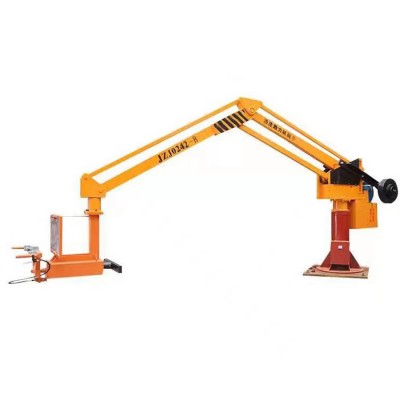
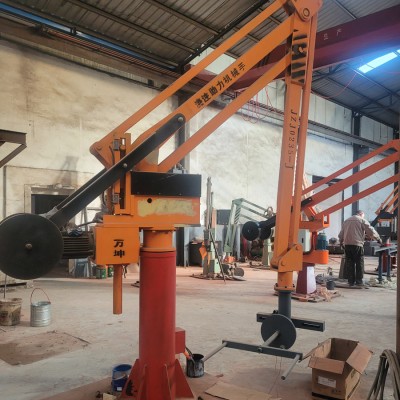
Crane manipulator is essential semi-automatic pouring equipment widely adopted in modern iron and steel foundries. Also known as overhead rail mounted manipulator for casting, this overhead truss-mounted device assists workers in stably holding, positioning, and tilting molten metal ladles for precise mold filling. Foundries prefer this overhead mounted industrial manipulators because it resolves the high safety risks, unstable quality, and low efficiency caused by full manual pouring, making it a standard upgrade solution for automated casting production lines.
The Importance of Load Range and Arm Span in Equipment Selection
When purchasing overhead rail casting manipulator, most selection failures stem from improper load range and arm span matching. Many foundries encounter typical mismatching problems in actual production. Choosing an undersized load structure fails to support full-volume molten metal and ladle weight, resulting in unstable operation and potential safety hazards. Selecting excessive load capacity causes unnecessary cost waste and redundant equipment performance. Meanwhile, improper arm span leads to two common issues: insufficient span cannot cover distant mold stations, while oversized span causes over-travel collision and on-site interference. This article provides practical and standardized selection guidance to help foundries match the most suitable truss-mounted suspended pouring manipulator according to actual workshop conditions and production demands.
What Is Crane Manipulator for Molten Metal Pouring
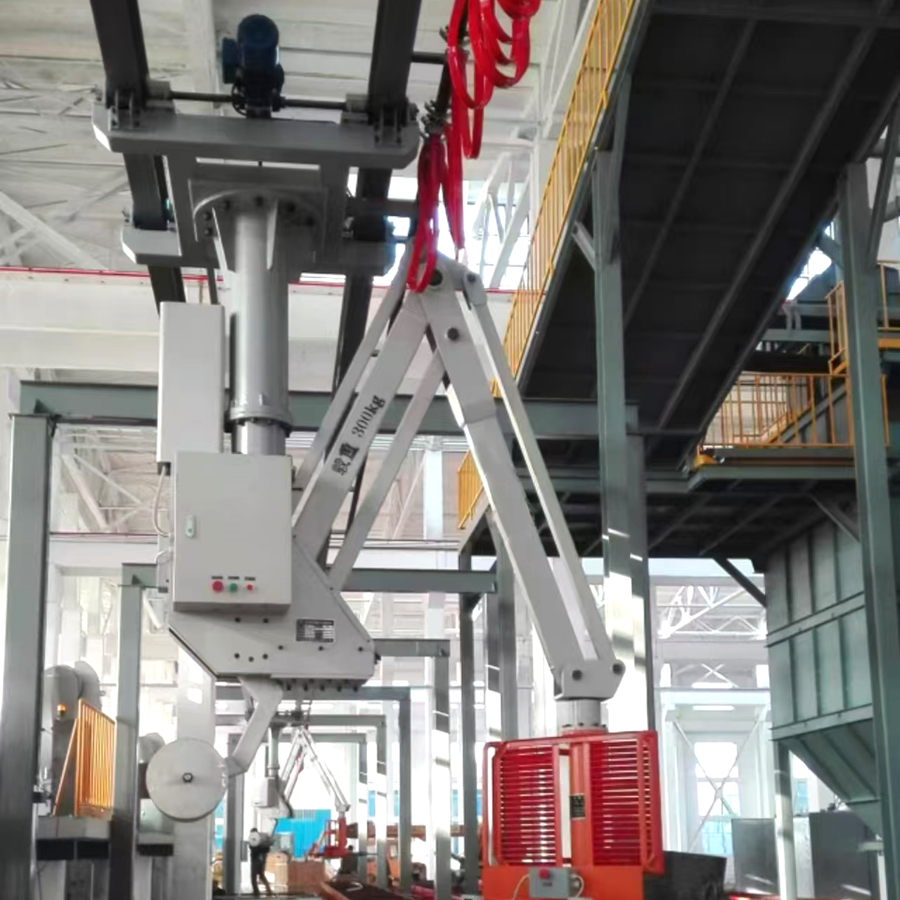
A foundry crane manipulator refers to professional overhead mounted automatic pouring equipment installed on overhead truss rails. Different from floor-type pouring machinery, the whole machine adopts top suspension installation without occupying ground workshop space. As a industrial manipulator installed on overhead crane systems, it is exclusively designed for high-temperature molten metal processing scenarios.
The function of this pouring manipulator is semi-automatic molten metal pouring. Operators control the equipment to clamp the high-temperature ladle, complete accurate line traveling and mold positioning, and finish quantitative and stable molten metal pouring. The entire process relies on mechanical stability combined with manual flexible adjustment, adapting to complex multi-station casting procedures. Two parameters directly determine the equipment’s applicability: rated load range and effective arm span, which are the basis for all selection work.
Why Load Range and Arm Span Matter Most
Load Range Importance
The load range determines the equipment’s stable bearing capacity during molten metal pouring. Reasonable load matching ensures the truss suspended pouring manipulator can steadily bear the total weight of empty ladle and full molten metal, avoiding structural deformation, jitter or overload failure during long-term cyclic operation. Standard load design also guarantees continuous and consistent pouring rhythm, effectively protecting on-site production safety and stabilizing casting quality.
Arm Span Importance
The effective arm span defines the equipment’s working coverage and maximum pouring radius. It directly decides whether the manipulator can cover all mold stations on the production line. A reasonable span eliminates pouring dead zones and avoids position interference during operation. For long assembly lines and multi-station continuous casting workshops, arm span compatibility is the key factor to determine overall production efficiency.
Crane Manipulator Load Range Selection Guide
The selection of load capacity needs to follow standardized calculation logic rather than relying on experience alone.
First, calculate the total working weight correctly. The actual bearing weight includes the empty ladle weight and the maximum filled molten metal weight, rather than judging by molten metal volume only. This calculation method effectively avoids hidden overload risks in high-load working conditions.
Second, match the load level with production output demand. Small-batch precision casting adapts to medium and light load specifications, while large-scale heavy casting and continuous batch production require relatively higher load capacity to ensure long-hour stable operation.
Third, reserve a reasonable safety margin for high-temperature working environments. Long-term high-temperature radiation will affect structural mechanical performance, so a certain load margin must be reserved to maintain long-term operational stability.
Finally, avoid two extreme selection mistakes. Under-rated load leads to insufficient bearing capacity and unstable pouring; blindly over-rated load causes increased equipment cost and wasted structural performance, failing to bring actual production value.
Crane Manipulator Arm Span Selection Guide
Arm span selection must fully combine on-site workshop layout and process distribution.
First, confirm production line width and mold distribution. Measure the maximum spacing of mold stations to ensure the effective working span can cover all pouring positions. For asymmetrically arranged production lines, the span range needs to be adjusted correspondingly.
Second, clarify the maximum pouring distance requirement. Determine the horizontal distance from the equipment’s traveling center to the farthest mold gate to avoid unreachable pouring areas.
Third, fully consider workshop space limitations and safety distance. Reserve sufficient safety gaps between the equipment and workshop walls, columns and other facilities to prevent collision during traveling and pouring.
Fourth, adapt to multi-station cross-pour coverage demands. For assembly lines with dense stations and frequent switching operations, the arm span should ensure flexible switching between multiple stations to improve overall pouring continuity.
Customized Selection Service
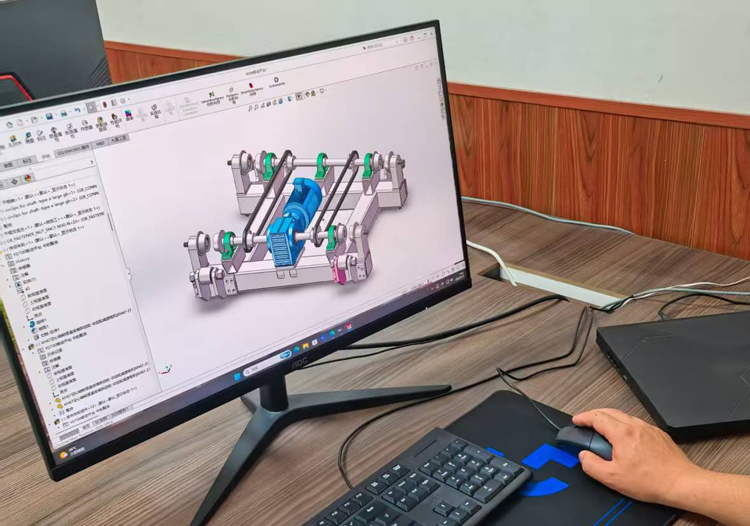
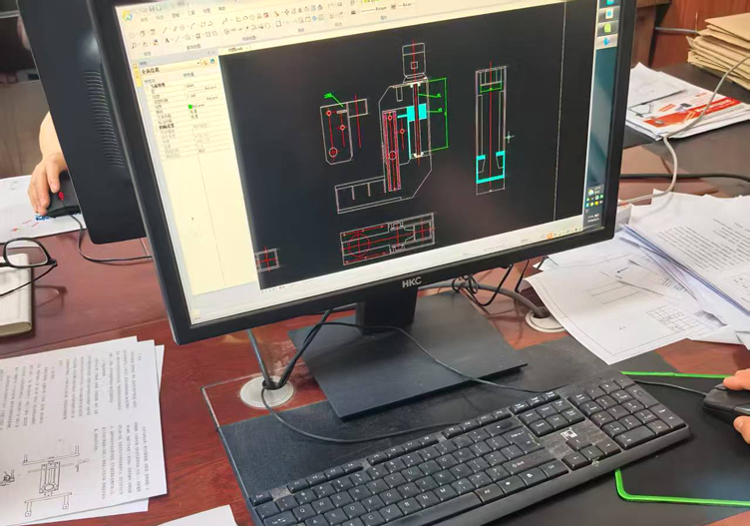
Different foundry workshop layouts and casting processes lead to differentiated parameter demands. We provide professional customized selection services for all types of overhead mounted automatic pouring equipment. According to customers’ actual workshop height, production line length, mold distribution, molten metal weight and working intensity, our technical team completes targeted load matching and span design. All customized parameters are based on on-site working condition verification, ensuring the equipment achieves optimal stability, efficiency and cost performance after installation.
Frequently Asked Questions
How to calculate the suitable load range for molten metal pouring?
-
The standard calculation method is to accumulate the empty ladle weight and the maximum filled molten metal weight, plus a reasonable safety margin according to high-temperature working intensity, so as to confirm the final matched load range.
Does longer arm span affect the load stability of crane manipulator?
-
Yes. Under the same structural configuration, an excessively long arm span will increase operating inertia and slight jitter. Professional customized structural reinforcement and load margin matching can effectively offset this impact and maintain stable pouring performance.
Can load and arm span be customized for special workshop conditions?
-
Fully customizable.
Is there a standard proportion between load capacity and arm span?
-
There is no fixed unified proportion.
Will mismatched span cause pouring quality problems?
-
Yes. Insufficient span leads to forced offset pouring, causing uneven mold filling.