Industrial Manipulator Ladle: Capacity Selection for Foundry Output
Overview
Selecting the correct ladle capacity for your foundry's industrial manipulator is one of the most impactful decisions for foundry productivity, safety, and cost control. Too small, and you face frequent refilling, low output, and increased labor fatigue. Too large, and you waste energy, risk over-pouring, reduce maneuverability, and lower casting quality. Get casting manipulator ladle right, and you'll achieve optimal productivity, consistent quality, and efficient workflow.
Why Ladle Capacity Matters
| Factor | Impact of Incorrect Selection |
|---|---|
| Production Throughput | Too small → constant refilling, bottlenecks Too large → wasted metal, temperature loss |
| Casting consistency and defect rate | Inconsistent fill rates, temperature variations, slag issues |
| Energy Efficiency | Excessive reheating, extended cycle times |
| Equipment Utilization | Manipulator underutilized or overstressed |
| Operator Fatigue | Excessive cycles or difficult handling |
| Molten metal utilization rate | Residualmetal,oxidation,drossformation |
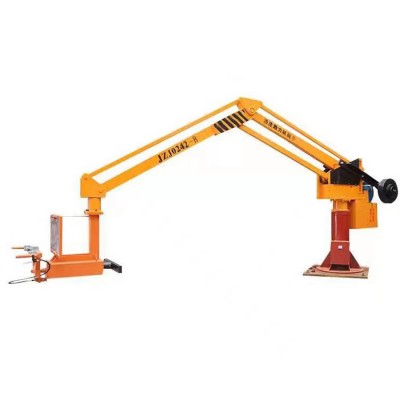
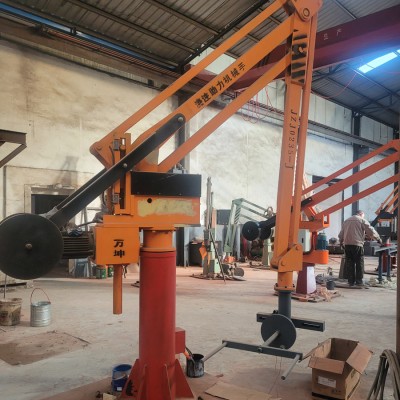
The ladle is not merely a container—it is the heart of your pouring operation. For semi automated or hand-wheel casting manipulators, capacity must align with mold size, alloy type, production rhythm, and workshop layout.
Key Factors to Select Manipulator Ladle Capacity
Daily Production Target
What is your target output in tons per day/shift?
Individual Pour Weights
Single Mold Weight / Total Cavity Weight
Alloy Types
What metals will you pour? (Gray iron, ductile iron, steel, aluminum, etc.)
Different alloys have different densities and temperature requirements
Calculate total molten metal needed per mold (including gates, risers, and loss).
Total hourly metal requirement:
Molds per hour × Average pour weight = Metal required per hour
Total metal per shift:
Hourly requirement × Operating hours = Shift requirement
The optimal ladle capacity balances several factors:
A: Single-Pour Ladles
Best for large molds where one ladle serves one mold.
B: Multi-Pour Ladles
Best for smaller molds where one ladle serves multiple molds.
Considerations:
Temperature loss during multiple pours
Cycle time between pours
Operator endurance for longer sequences
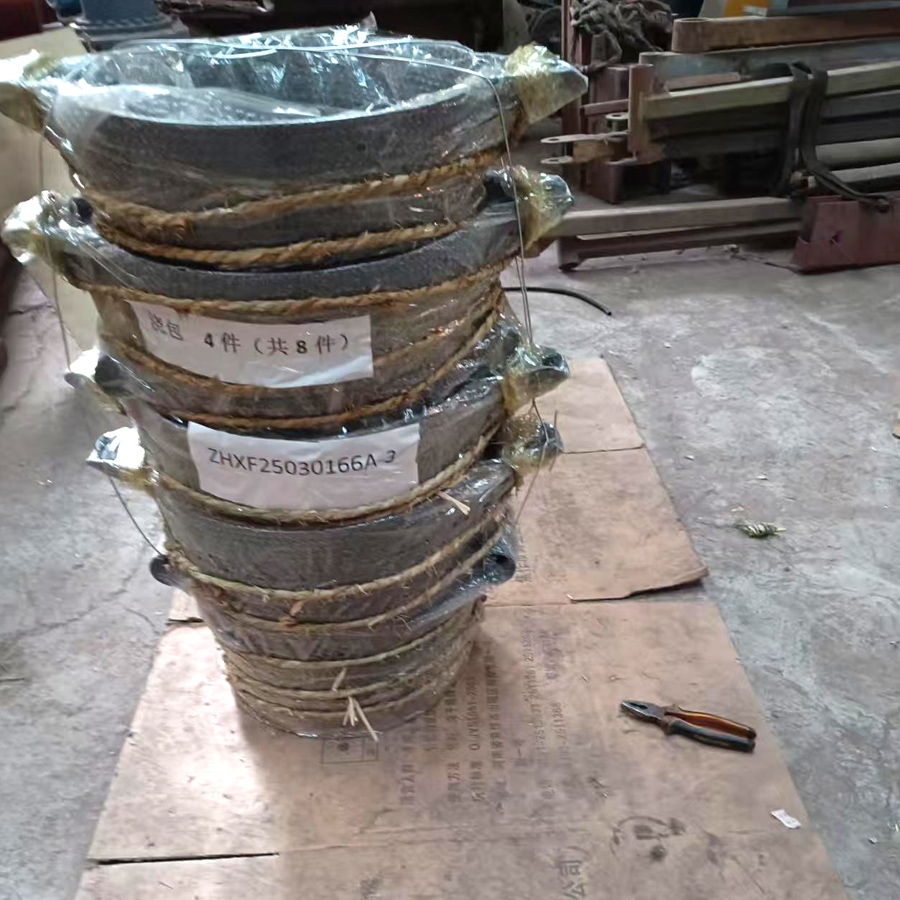
The refractory lining significantly affects actual metal capacity.
Important: When specifying ladle capacity, clarify whether you are referring to:
Nominal capacity (total internal volume)
Working capacity (usable metal after refractory)
Iron / steel: higher density → smaller effective capacity
Aluminum / copper: lower density → larger effective volume
Select capacity that handles 120% of normal peak demand
Batch operations may benefit from larger ladles
Continuous lines often prefer smaller, faster cycles
If switching alloys frequently, consider smaller ladles or dedicated units
Larger ladles mean more residual metal when changing alloys
Narrow work areas require smaller, more maneuverable ladles.
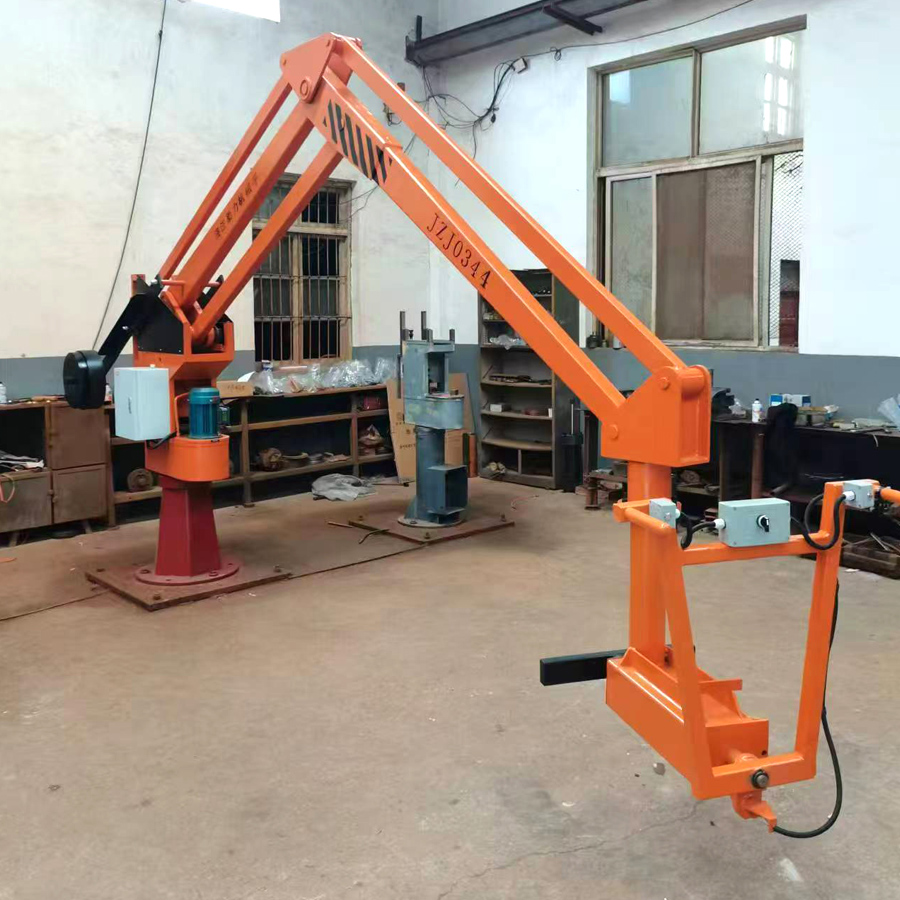
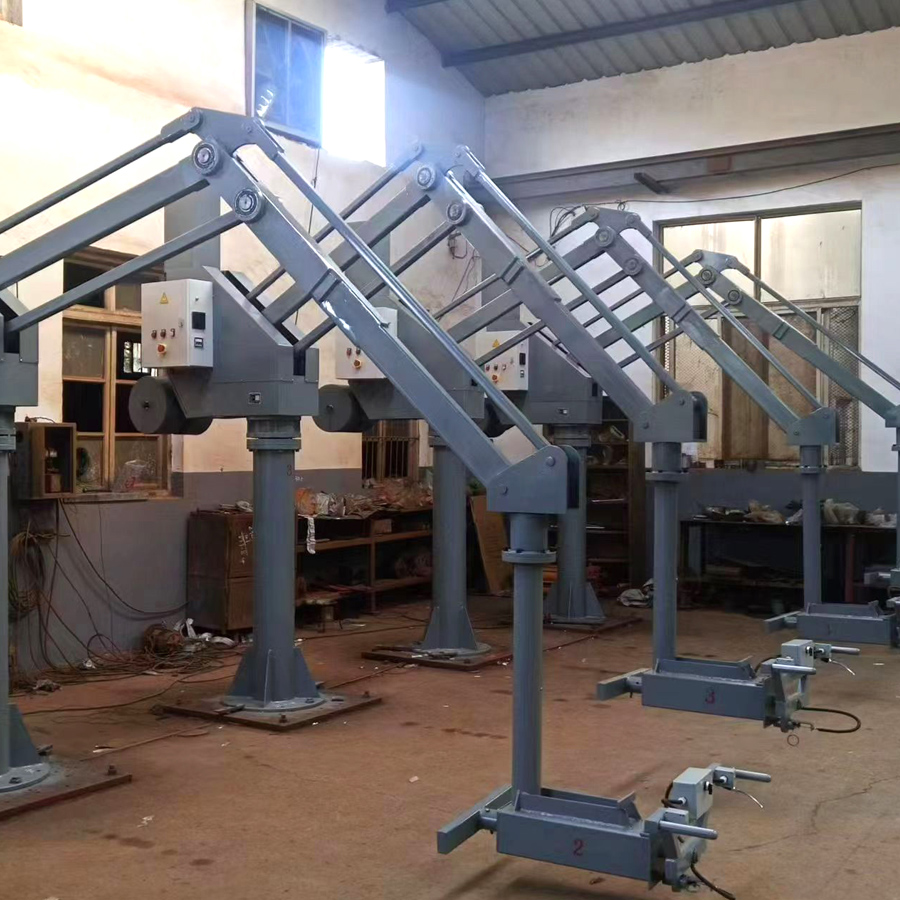
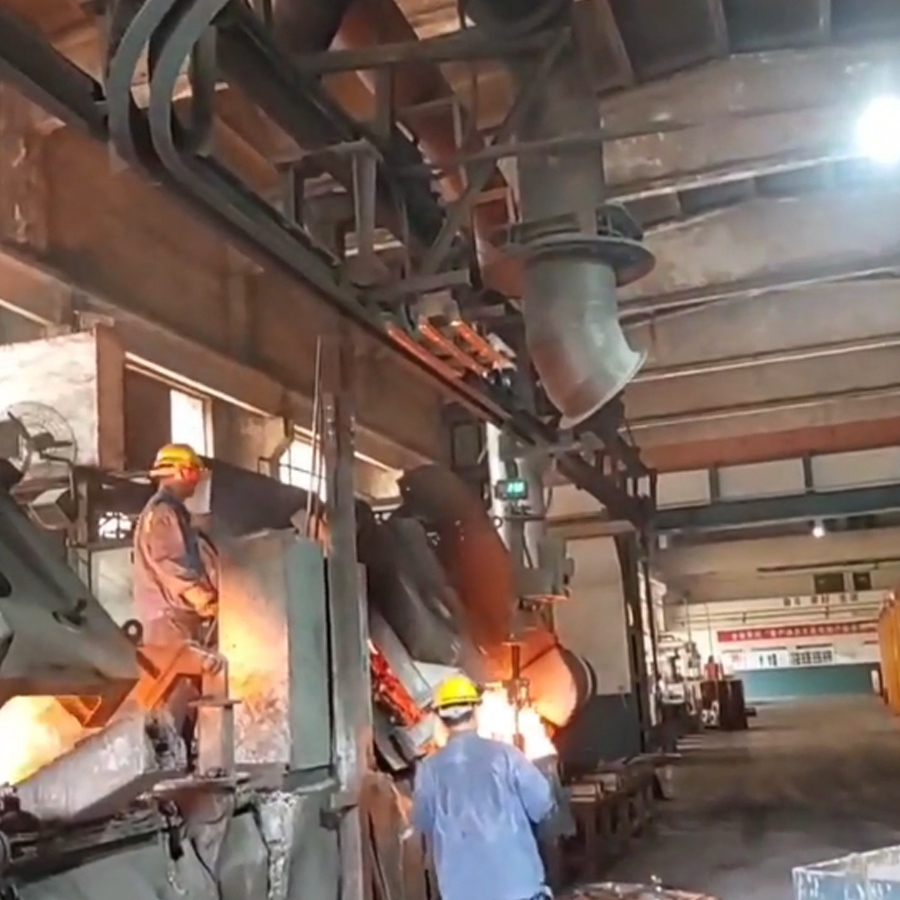
Capacity Selection by Foundry Type
Jobbing Foundries
Frequent mold changes
Varying pour weights
Multiple alloys
Recommended Approach:
Multiple ladle sizes
Quick-change ladle systems for flexibility
Typical Capacity Range: 200 kg – 500 kg
High-Production Foundries
Dedicated product lines
Consistent pour weights
Continuous operation
Recommended Approach:
Optimized single size matched to production rate
Larger ladles for temperature stability
Prioritize efficiency and automation integration
Typical Capacity Range: 500 kg – 1000 kg
Heavy Casting Foundries
Very large individual pours
Lower mold counts
Extended pour times
Recommended Approach:
Ladle sized to maximum pour
Heavy-duty construction for large loads
Motor-assist options for operator control
Typical Capacity Range: 1000 kg+
Selecting Based on Maximum Only
Excessive heat loss, metal waste, operator fatigue for smaller pours.
Overlooking Manipulator Capacity
Overloading the manipulator, creating safety risks.
Underestimating Growth Needs
Selecting precisely for current production with no room for growth.
Frequently Asked Questions
Does larger capacity always mean higher output?
+
-
No. If your mold cycle is slow, an oversized ladle causes heat loss, defects, and safety risks. Output depends on matching, not just size.
Can one ladle fit multiple casting lines?
+
-
Yes, if weight per mold is similar. We recommend 1 standard capacity for unified production.
How does capacity affect energy consumption?
+
-
Larger ladles hold heat longer but consume more energy to melt and pour. Medium capacities (150–300kg) usually offer the best energy efficiency.