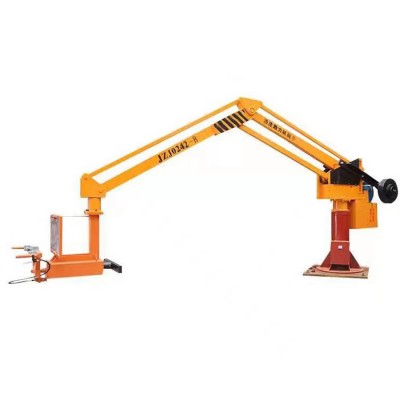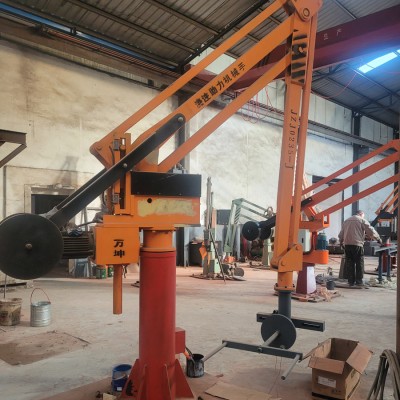
Hand-Wheel Casting Manipulator for Foundry Metal Pouring
Overview
Whether you operate a small jobbing foundry or a large production facility, understanding the capabilities of modern hand-wheel controlled pouring devices is essential for optimizing your casting operations.
In the foundry industry, the pouring of molten metal remains one of the most critical and demanding operations. While automation continues to advance, there remains a strong demand for reliable, manually-controlled pouring solutions that combine operator precision with mechanical efficiency. The Hand-Wheel Casting Manipulator represents the perfect balance between human skill and engineered assistance—delivering consistent, high-quality pours while dramatically reducing physical strain and improving safety.
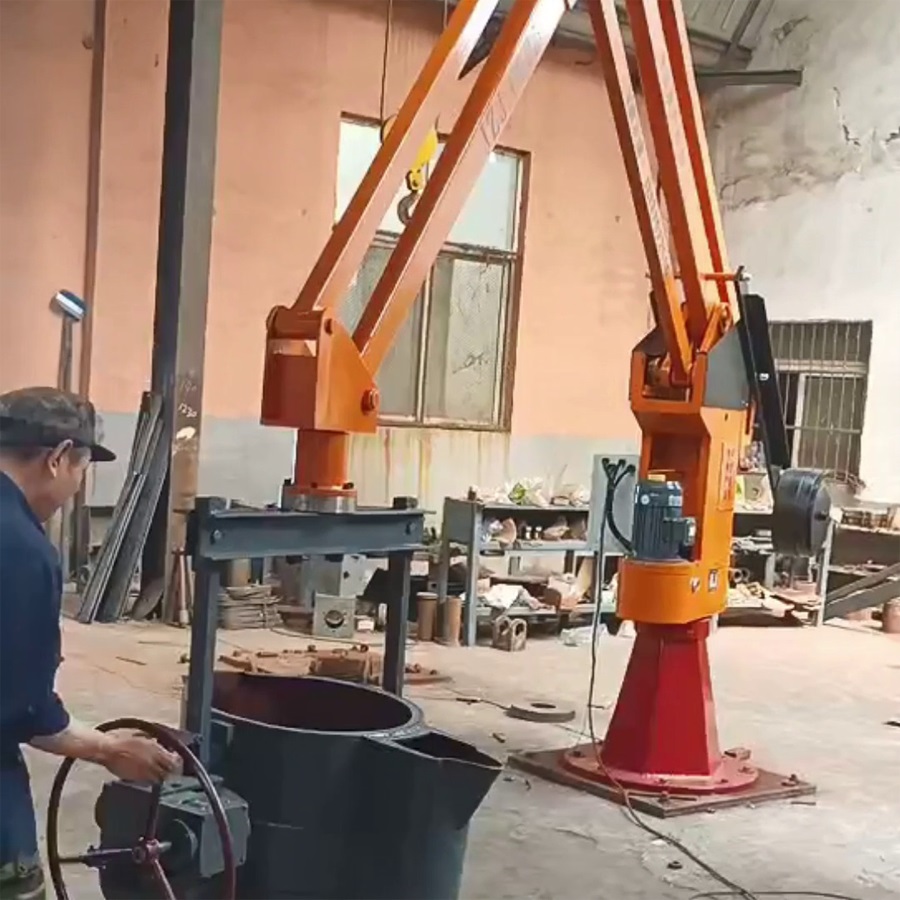
What Is a Hand-Wheel Casting Manipulator?
Pouring Manipulator is a mechanically-assisted pouring device designed to give operators precise control over the movement and pouring of molten metal. Unlike fully automated robotic systems, these manipulators rely on manual hand-wheel operation combined with sophisticated gearing mechanisms to achieve control with minimal physical effort .
Unlike generic manipulators, it is optimized to handle the unique challenges of molten metal handling—high temperatures, heavy ladle loads, and the need for precise, controlled movement. Suitable for casting processes involving steel, iron, aluminum, copper, and other alloys, this manipulator is a versatile addition to any foundry looking to enhance safety, consistency, and efficiency.
Application
Foundry Operations
The primary application is in foundries for pouring molten metal from furnaces into molds. These devices are essential for producing everything from small precision castings to large industrial components .
Steelmaking Industry
In converter and electric arc furnace operations, these manipulators transport molten steel while maintaining precise temperature control and composition requirements .
Jobbing Foundries
For facilities producing diverse, low-volume runs, the flexibility of manual control offers advantages that fully automated systems cannot match.
| Function | Description |
|---|---|
| Precision Pouring | Precisely adjust the pouring angle and speed via the ergonomic hand-wheel, ensuring uniform metal flow into molds, ingots, or casting dies. |
| Load Transport | Safe movement of molten metal from furnace to mold(100kg-1Ton) |
| Height Adjustment | Precise positioning of ladle over sprue or pouring cup |
| Efficiency Optimization | Streamlinethepouringprocessbyreducingsetuptimeandminimizingdowntime. |
- High-Temperature Resistance
- Stable & Durable Structure
- Adjustable Working Radius
- Safety Interlocks
User Evaluation


Production Process
Design & Engineering: Our R&D team uses modeling to design the manipulator based on customer requirement. ensuring optimal performance in harsh foundry conditions.
Material Cutting & Forming: High-quality steel plates and components are cut precision. The frame and arm are formed via bending, welding, and forging processes, with strict control over dimensional accuracy.
Welding & Assembly: Skilled welders use argon arc welding to ensure strong, seamless joints. We implement a three-step inspection process (first article, in-process, final) to catch any defects early.
Surface Treatment: The manipulator undergoes sandblasting to remove rust and debris, followed by high-temperature-resistant coating to protect against corrosion and heat.
Testing & Calibration: Each Equipment is tested under simulated foundry conditions—including load testing, high-temperature exposure, and precision control testing. This includes verification of pouring precision, load capacity, and safety features.
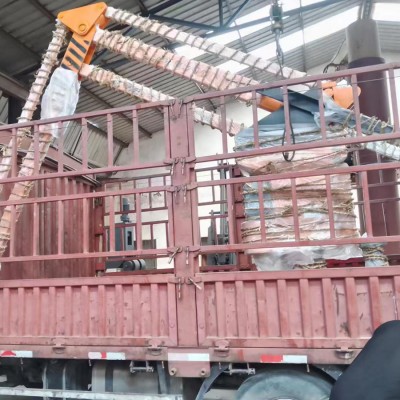
Packaging & Shipping: Packaged in waterproof, shockproof crates to prevent damage during transportation.
Frequently Asked Questions
What capacity hand-wheel manipulator do I need for my foundry?
+
-
Capacity requirements depend on your typical pour weight. Standard sizes range from 0.1 tons to 1 tons .
How do I maintain my hand-wheel casting manipulator?
+
-
Regular maintenance is straightforward:
Manufacturers provide detailed maintenance schedules with our equipment .
Can hand-wheel manipulators be used for all metal types?
+
-
Yes, with appropriate refractory linings. Common applications include:
Gray iron and ductile iron
Steel and stainless steel
Aluminum and copper alloys
Non-ferrous metals
How long does a hand-wheel manipulator last?
+
-
With proper maintenance, the structural components typically last 10 years or more.