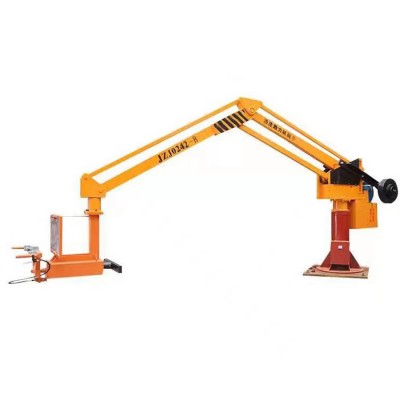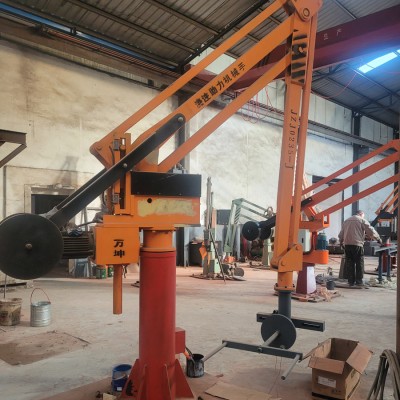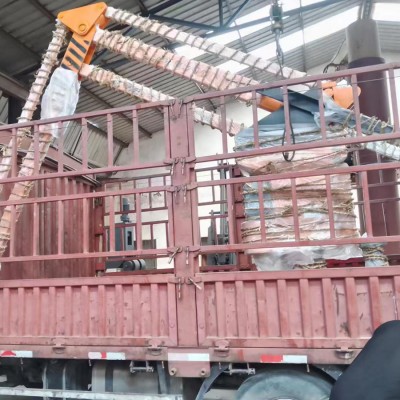
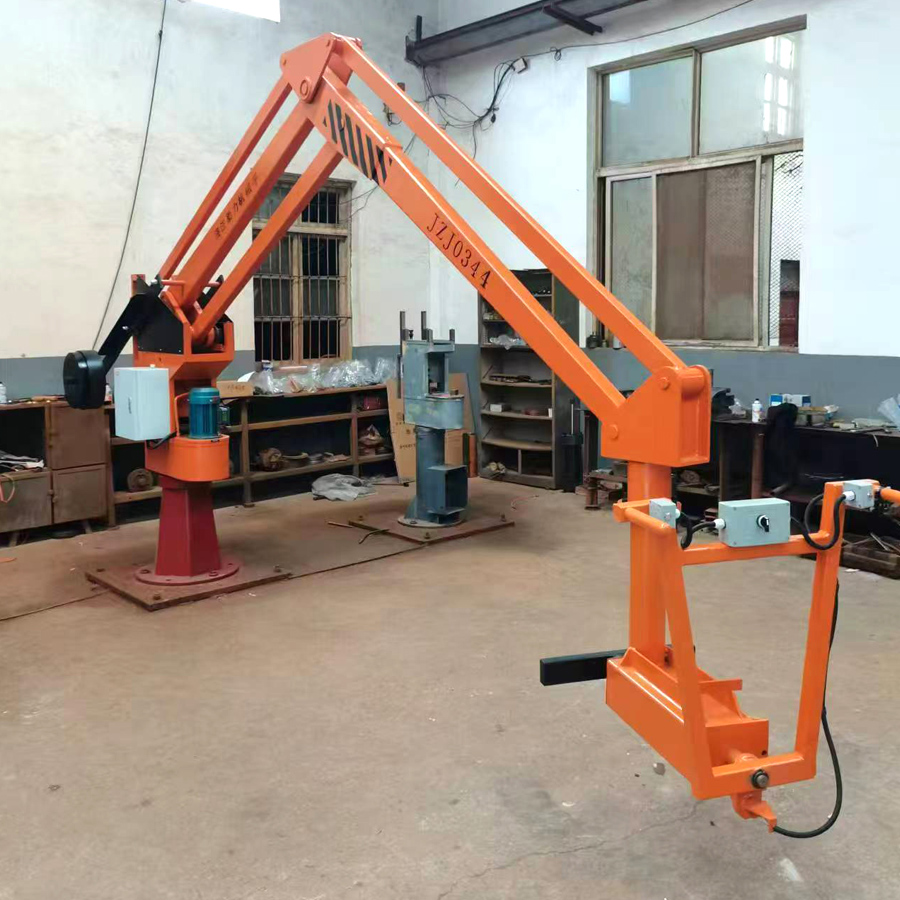
Foundry Manipulator: Working Process in the Workshop
Overview
Unlike general handling manipulators, the core task of the pouring manipulator is to safely, precisely and repeatedly complete the transfer and pouring of molten metal at high temperatures. Its process is one of the most critical and risky steps in the casting production.
Work process in the workshop: Preheating → Pouring → Return ladle → Remove slag → Scoop slag → Measure temperature → Maturation → Transportation → Slow-fast-slow pouring → Overflow pouring → Cooling and box turning
The casting pouring process is one of the most critical stages in foundry production. It directly determines casting quality, including internal defects, surface finish, mechanical properties, and scrap rate.
Pre-pouring Preparation Processes
The molten iron is fully melted, there are no hard materials, and no un-melted lumps
The composition meets the process requirements: C, Si, Mn, S, P are up to standard
For ductile iron, confirm the reserve of spheroidizing elements
The control system of the foundry manipulator was activated and a self-check was conducted (including hydraulic/air pressure, servo system, and safety circuit).
The pouring ladle and transfer ladle are fully preheated and dried, without moisture or cold ladles
The slag removal hook, sampling spoon, thermometer, and temperature probe are in good condition
The slag remover, mothering agent, and insulation agent are placed in place and dried
The operator confirmed that the pouring area was safe: the guardrail was closed, no personnel were left behind, and the emergency equipment was in plac
The ground is dry and free of water and debris
The lifting equipment, steel wire rope, and crane limit are in good condition
The sand mold is firmly pressed, the mold is tightly closed, and the exhaust holes are unobstructed
The mold cavity is clean, with no floating sand or detachment
The pouring orifice, riser, and exhaust channel are unobstructed
The parting surface has no gaps or misalignment
The sand mold is placed stably and positioned accurately
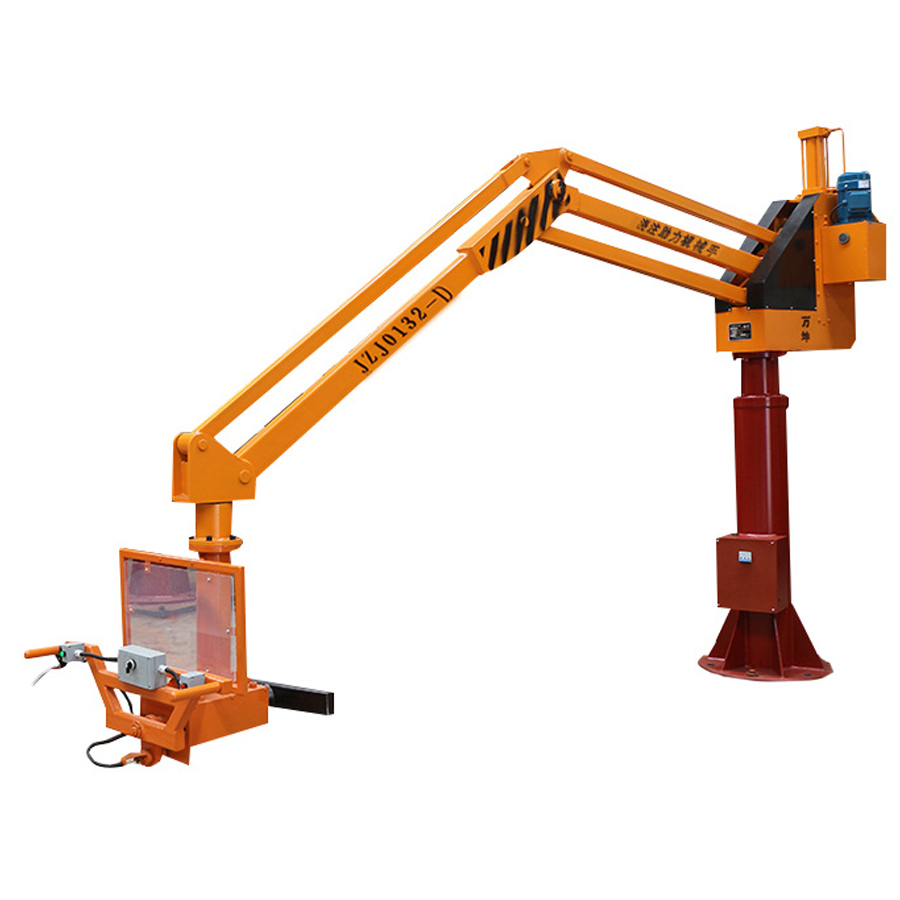
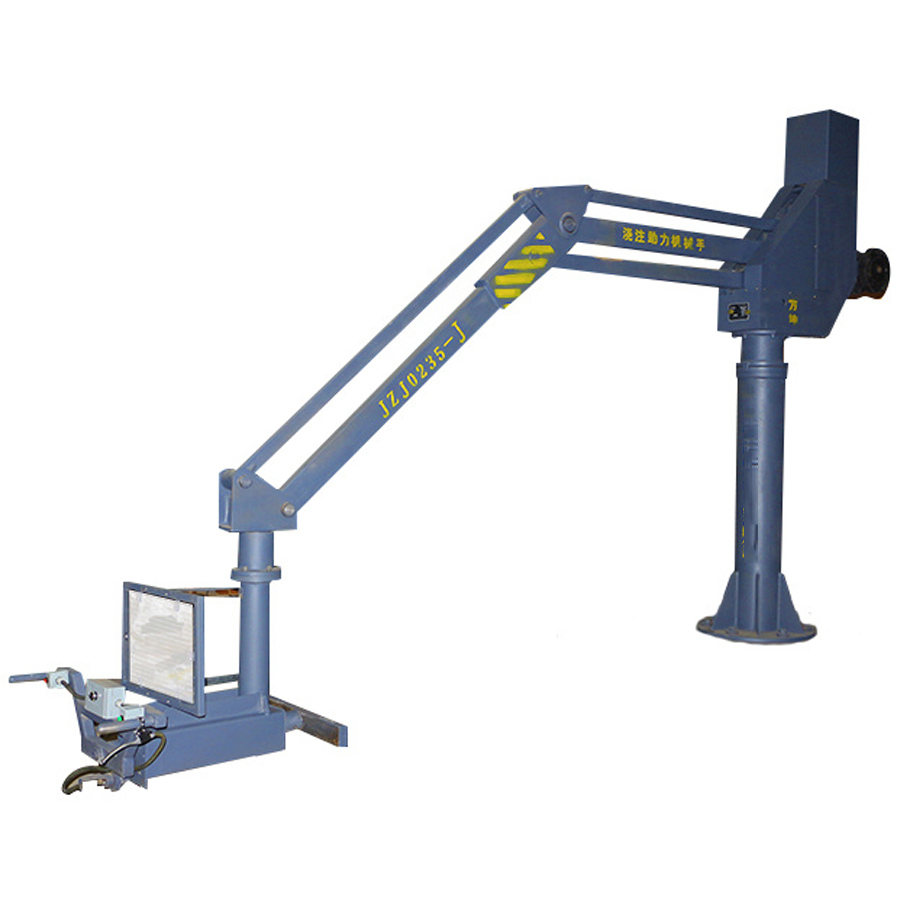
Iron Pouring (Iron Casting) Process
Pouring from the furnace
Slowly pour the furnace, allowing the iron to flow steadily into the transfer ladle / pouring ladle
Control the flow rate, without splashing or hitting the bottom of the ladle
Furnace Pre-treatment
Ductile iron: During the iron pouring process, add spheroidizing agent and mothering agent for spheroidization and mothering treatment
Gray iron: Depending on the need, perform mothering and fine-tune the composition
Scraping the slag, taking samples
Initially scrape off the surface slag
Take a sample of the iron water for rapid composition / metallographic judgment
Measure the temperature
Insert the temperature probe into the middle of the iron water to ensure the temperature meets the process requirements
Insufficient temperature → Reheat in the furnace; too high temperature → Appropriate static cooling
Furnace → Pouring Mechanism Steel Ladle
Align the transfer ladle
The crane / transfer vehicle lifts the transfer ladle to the position above the pouring ladle
Precise alignment to prevent iron water from splashing out
Quantitative transfer of ladles
Slowly tilt the transfer ladle, allowing the iron water to flow into the dedicated ladle for the pouring mechanism
Maintain proper metal level: 65–75% of ladle capacity
Transfer completed
The transfer ladle returns to its position
The pouring ladle is prepared to enter the slag removal, insulation, and mothering process
Pouring Operations
1) Initial slow pouring
Start with a small flow to allow the molten iron to enter the pouring channel steadily
Prevent sand splashing, air entrainment, and splashing
2) Middle fast pouring
After the molten iron fills the pouring channel, increase the flow rate
Ensure rapid filling and smooth exhaust
No interruption, no stoppage
3) Final slow pouring
Reduce the flow rate when the mold cavity is almost full
Prevent overflow of iron, fireback, and splashing
The pouring cup always remains full, without collapse or air entrainment
Do not directly impact the sand mold or core
If fireback, runaway fire, or box leakage is detected, immediately stop pouring and handle the issue
After the mold cavity is filled, conduct overflow pouring to the overflow cup
Ensure the overflow cup fully fills and prevents casting shrinkage cavities and porosity
Return the pouring ladle to its position
Pour the remaining molten iron into the designated slag bag / scrap pit
Do not pour randomly
Clean the pouring ladle
Remove residual debris and iron deposits from the ladle mouth
Reheat the ladle again and prepare for the next batch
On-site cleaning
Clean the scattered iron beans and slag blocks
Check the cooling condition of the sand mold