Casting Manipulator Post-Installation Trial Operation & Acceptance Procedures
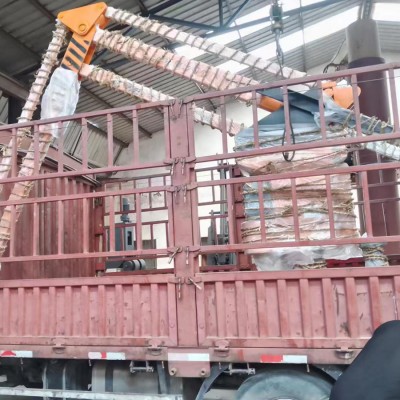
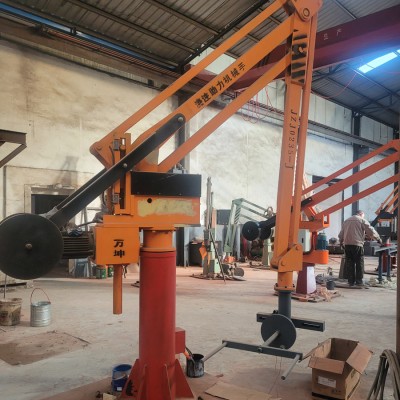
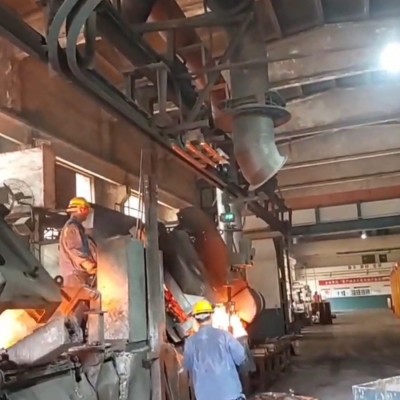
After the installation of the pouring manipulator is completed, in order to ensure the safe, efficient and long-term stable operation of the equipment, the foundry needs to carry out a complete debugging and trial operation of it to ensure the stable operation of the equipment and meet the requirements of the casting production process. During the entire debugging process, as the supplier of Casting manipulator equipment, we can provide technical support.
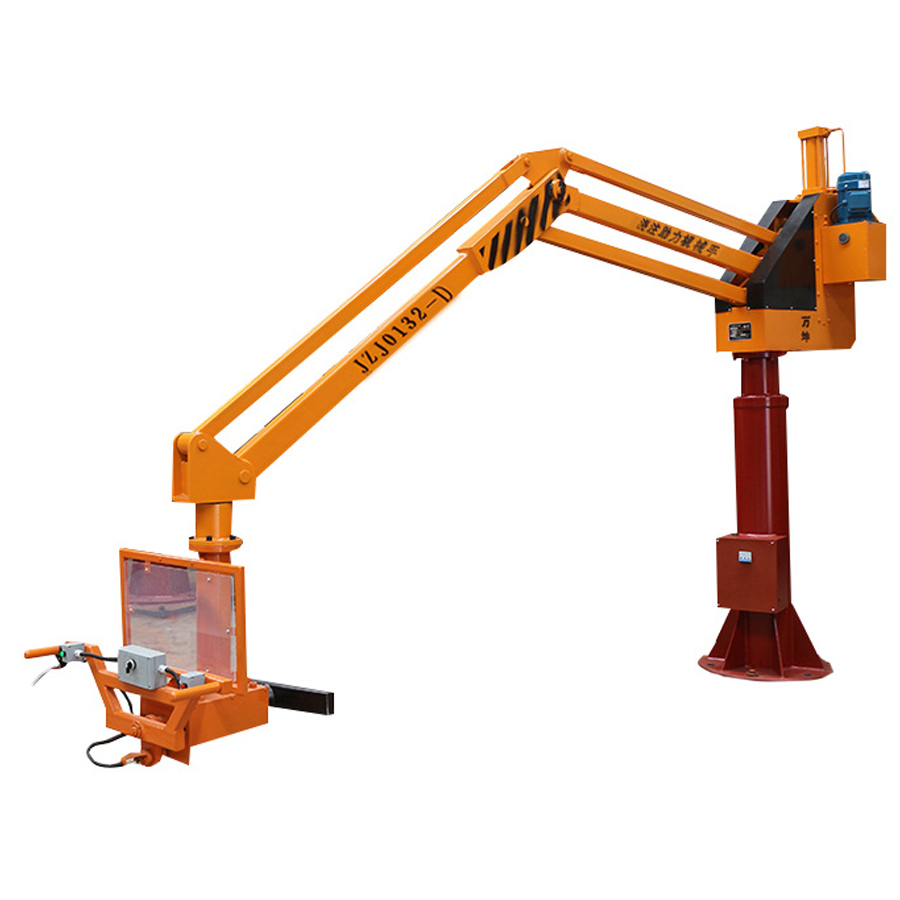
Installation quality inspection
Mechanical inspection
Confirm that all components of the manipulator are installed without looseness or abnormal sounds, ensure that the guide rails of the transmission components are well lubricated, verify whether the movement range meets the design requirements, and there is no interference or collision.
Electrical inspection
Check if the wiring connections are correct and firm, with no exposed or damaged parts. Confirm that the electrical components (such as sensors, actuators, controllers, etc.) are installed in the correct positions and function normally. Check whether the grounding protection is reliable and safe.
Function debugging
No-load test
Each action unit of manipulator (grasping, moving, rotating, pouring, etc.) is debugged separately to verify the accuracy and smoothness of the actions.
Test the smoothness of the opening and closing of the test fixture and the tilting/resetting of the ladle, and verify the pressure stability and no leakage of the hydraulic/pneumatic system.
Adjust the motion parameters (speed, acceleration, position accuracy, etc.) to ensure they meet the production requirements.
Test whether the feedback signals of the sensors (position sensors, force sensors, etc.) are accurate.
Load accuracy
The simulated load is tested in grades of 50%, 80% and 100% of the rated load.
Verify the matching degree between the inclination Angle of the ladle, the pouring speed and the process requirements, record the stability of the molten metal (simulated liquid) outflow, and avoid splashing or interruption.
The positioning error of the key shaft is detected by a laser interferometer and a precision calibration report is issued.
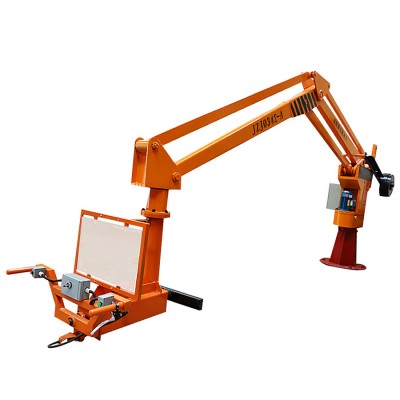
Our Products
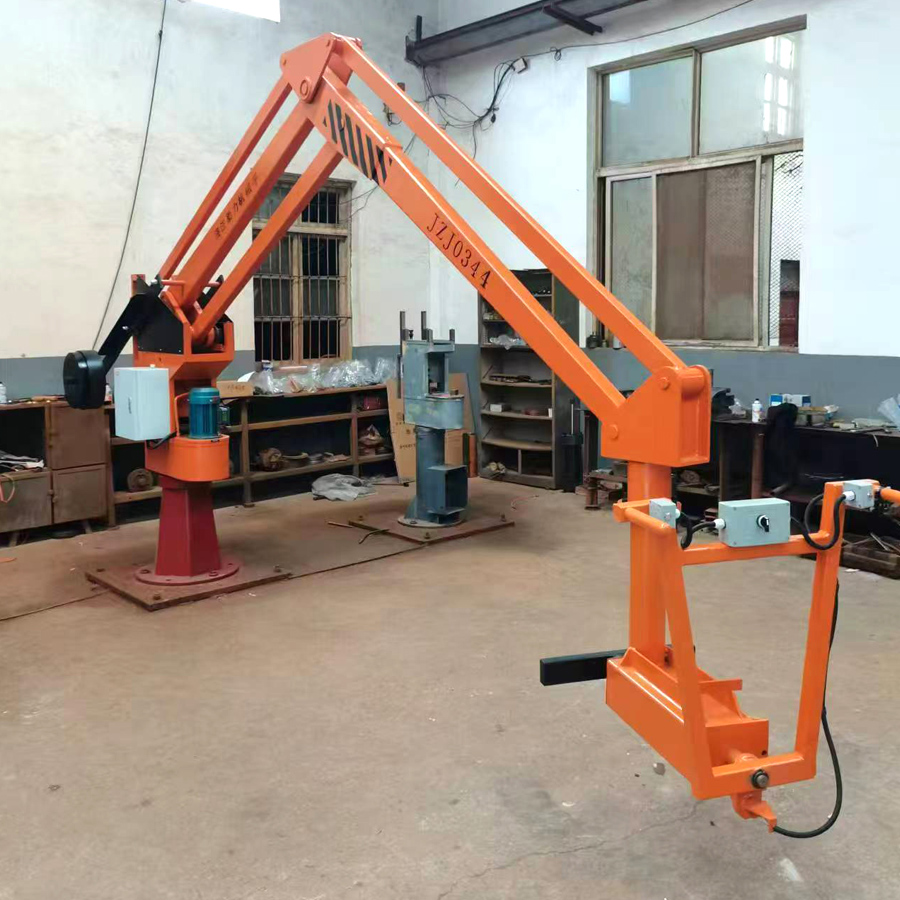
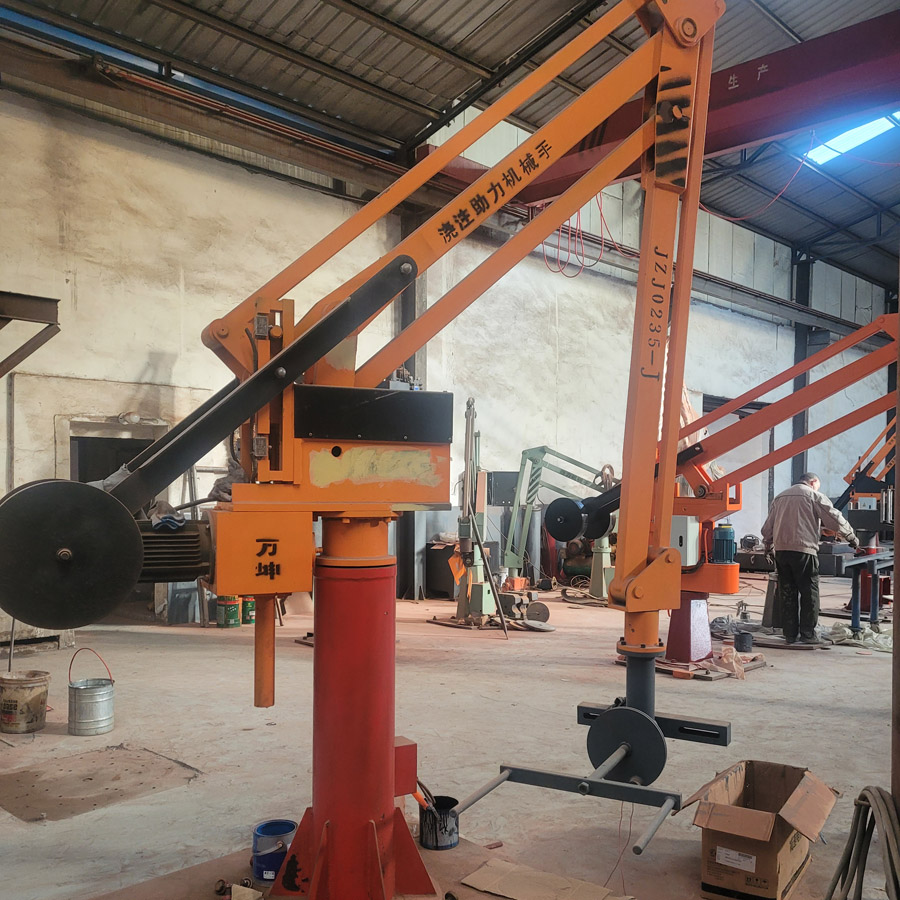
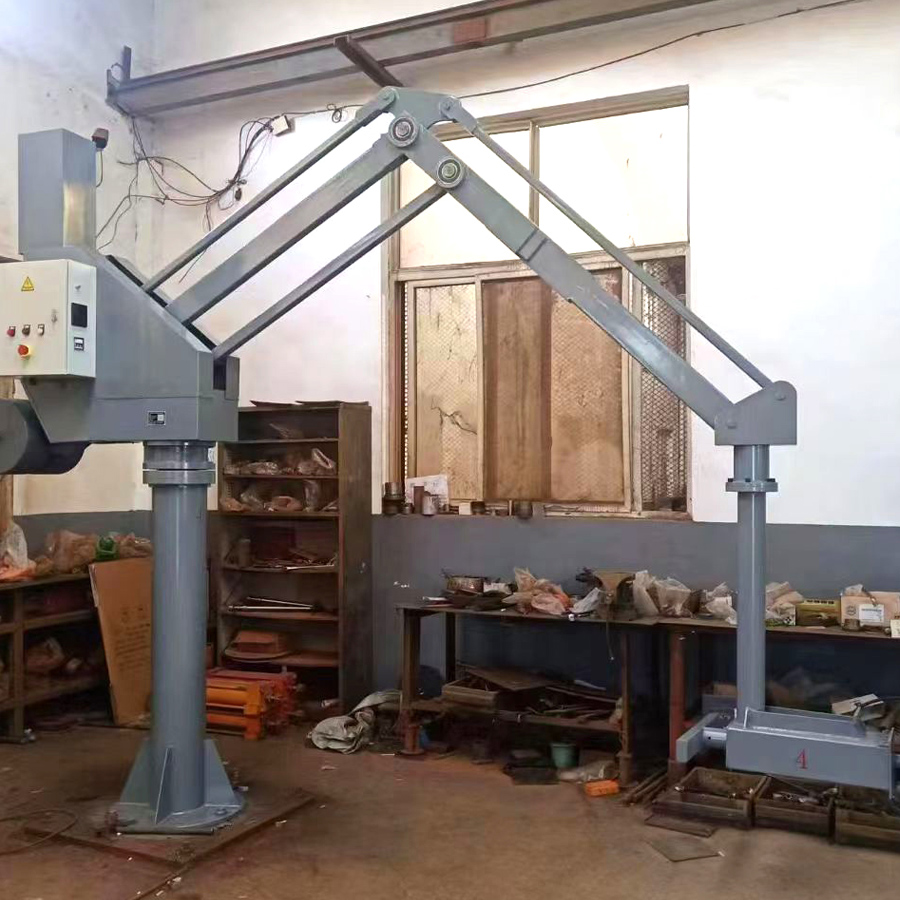
Operation steps
The operator will teach the key points of the pouring manipulator in sequence at low speed and manual mode:
Scooping position: The position and posture for taking molten iron in the pouring furnace/quantitative furnace.
Waiting position: The position for waiting and weighing after scooping.
Pouring starting point: Close to the top of the mold gate cup.
Pouring path point: Control the tilt of the ladle to ensure that the molten iron is accurately and smoothly poured into the pouring cup. Usually, it is necessary to move different pouring molds.
Return and residue dumping position: After pouring is completed, return and pour the residue inside the bag into the residue trough.
Optimize the speed at each point, acceleration and deceleration to ensure smooth movement without severe shaking or splashing of molten iron.
Safety and Acceptance
Acceptance criteria
It has been running continuously for 12 hours without any faults.
The casting qualification rate is ≥99%.
The operators are proficient in daily maintenance and troubleshooting methods.
Safety protection
The operation area is separated from the hazardous area. The emergency stop button is conspicuous and clearly marked. Ventilation and heat insulation measures are provided.