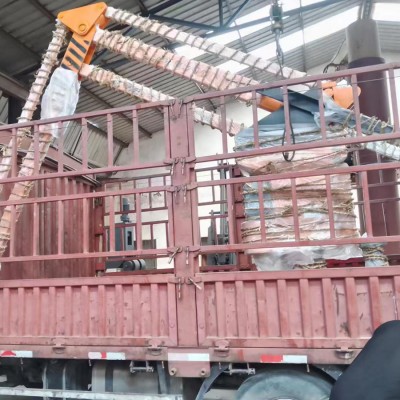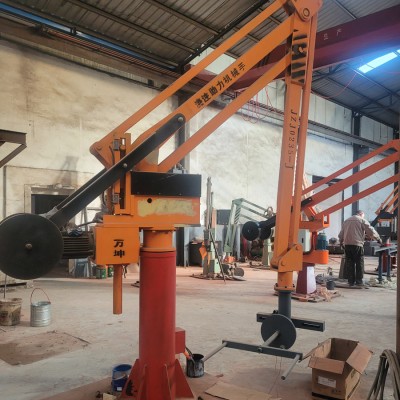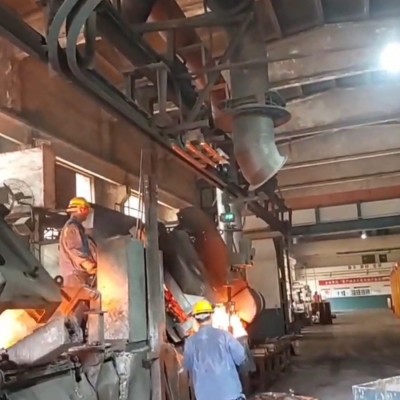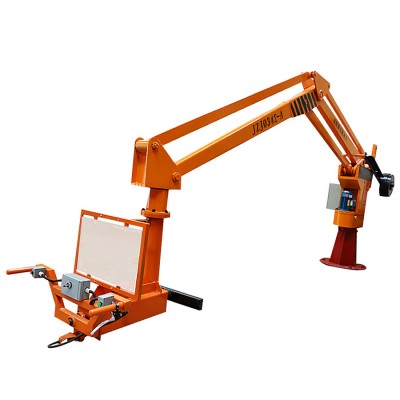
Foundry semi-automatic pouring manipulator Installation process
Overview
The process of installing a semi-automatic pouring manipulator in a foundry is a very easy-to-operate procedure, which requires the coordination of mechanical, electrical, leveling, process and safety aspects. Ensuring that the levelness, positioning accuracy and safety protection meet the standards is divided into several key stages.
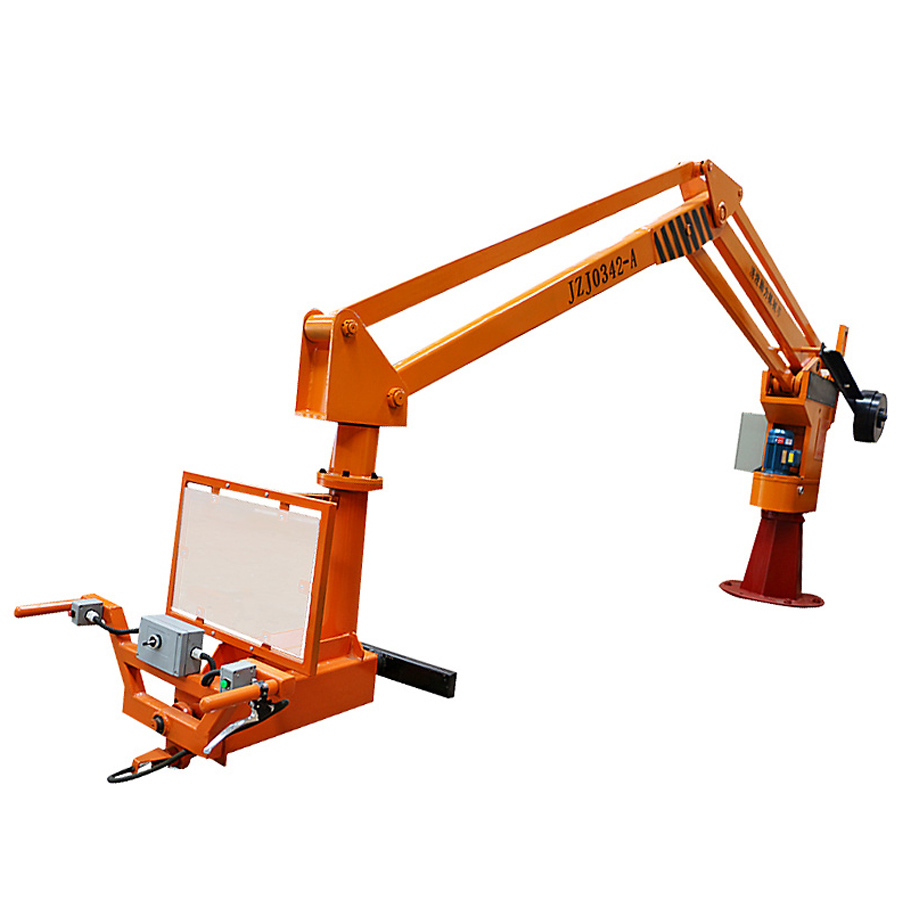
Preparations before installation
Technical solution confirmation
According to the requirements of the foundry and the detailed communication between the Casting manipulator supplier and the design engineer, confirm the parameters such as the required equipment model, working range and load capacity, select the installation area, and plan the power line, hole position and pipeline layout.
Venue preparation
The concrete ground in the installation area is flat and solid. The ground is leveled with an infrared level or a high-precision level, which can withstand more than 1.5 times the daily working load of the equipment.
Pre-embed anchor bolts or chemical anchor bolts, reserve sufficient operation and maintenance space. When the equipment is in full range of movement, leave sufficient safety distances from surrounding equipment, columns and pipelines, and consider the swing allowance of the pouring ladle.
Assess the on-site temperature, humidity, dust and vibration conditions. Prepare an air conditioning room or protective measures for the control cabinet when necessary.
Prepare an independent power supply (with voltage, frequency and phase matching), sufficient wire diameter, and be equipped with an independent air switch or circuit breaker. A voltage stabilizer can be equipped when necessary.
Personnel and tools
Personnel operation training, familiarizing with usage norms and emergency procedures, and organizing equipment administrators, mechanical engineers, electrical engineers, and safety officers to jointly carry out equipment installation.
Tools required: warning signs, wrenches, levels, laser calibrators, lifting equipment, multimeters, etc.
Equipment installation
Receiving and acceptance
Check the Industrial Manipulator parts: including the main body, control cabinet, display (if any), ladle, handheld device, components (such as turntable bearings, copper columns, screws, servos, etc.).
Whether the auxiliary components (such as anti-collision modules, soft start devices, and release agent spray systems) are fully equipped.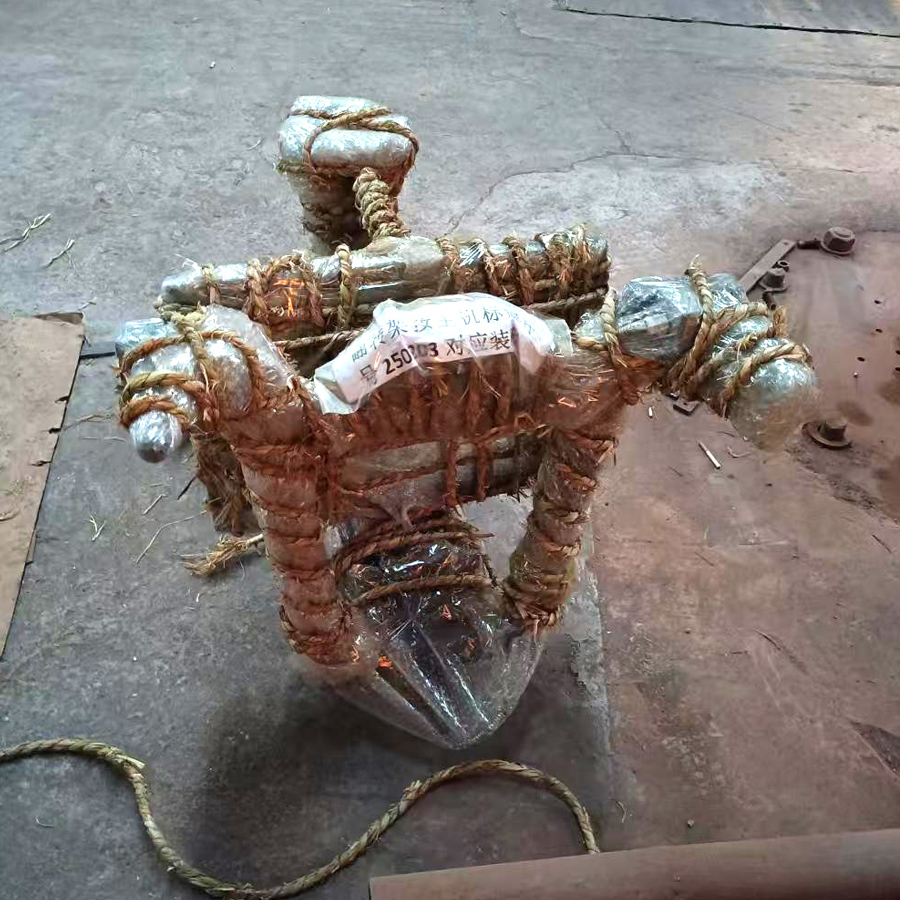
The foundation is fixed
Anchor bolts
Hoist the base of the pouring robot to the predetermined position, place it on the embedded anchor bolts, and recheck the levelness and verticality. Tighten the nuts using the "diagonal alternating tightening" method to ensure uniform force distribution.
Shock absorption measures
Install shock-absorbing pads (such as rubber or spring shockInstallation of the mechanical main body
Assemble from bottom to top, and install the columns, beams, guide rails, sliders and transmission mechanisms in sequence.
Base section: Install the slewing bearing, copper column and screws to ensure smooth rotation without jamming.
Column and support: Fix the column to the base plate with M3 screws.
Long arm and ladle end effector: Connect the long support to the column, allowing the connecting boom to swing freely without shaking. Install the casting spoon, adjust the 勺口 Angle, and repeat the positioning accuracy.
Our Products
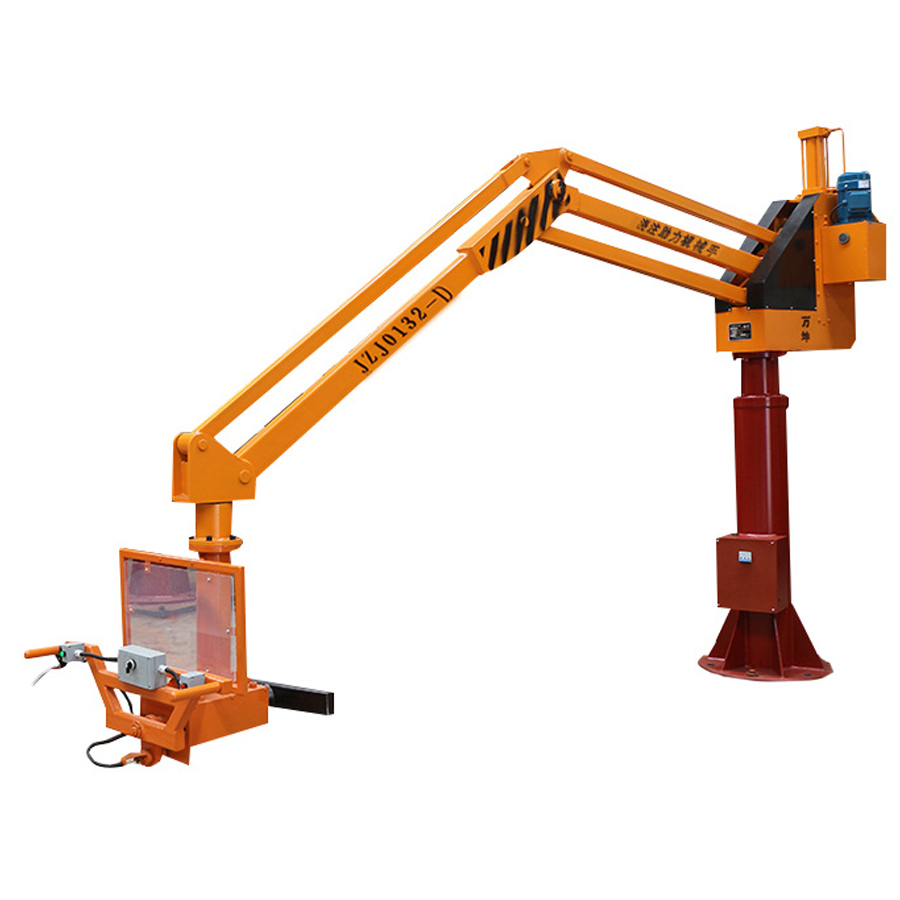

Casting manipulator control cabinet should be installed in a location with good ventilation, low vibration and far away from high-temperature areas for convenient power connection and operation.
The wiring should be designed as per the drawings to connect the power cables, encoder lines, brake lines, etc. between the control cabinet and the manipulator body. The wiring should be installed with pipelines or cable trays to avoid interfering with the lines during operation.
Sensors are installed at key parts of the mechanical hand, such as rotating joints and the end of the casting spoon.
The controller, driver, sensor, emergency stop button, etc. of Foundry manipulator are fixed in place.
The limit switches, safety light curtains and interlocking devices are installed correctly, and the protection level meets the on-site requirements.
Anti-collision function: Automatically stops action when the torque exceeds 120% of the rated value (a threshold needs to be set in the control system). Install mechanical limit devices (such as buffers and stop blocks) to prevent over-range collisions.
Emergency stop: Emergency stop buttons are set at the operation panel, the end of the mechanical hand, and the control cabinet, with a response time of no more than 0.2 seconds.

who choose us?
We offer a complete installation process and technical support. You can choose the appropriate pouring robot based on the actual needs of your factory and ensure its safe and efficient installation in place, as well as its rapid commissioning into stable production. Customization is also available, and we can provide stable support for all of them.
one-stop solution
professional team
high quality